Skip to Main Content
Talk Beginner MIT

From Pull Requests to Patients: Building Open Healthcare Infrastructure in the Open

Approved
Session Description

Healthcare is where open source stops being ideology and starts becoming accountability. A bug is not just a bug. A failed deployment is not just downtime. The software has to work for doctors, nurses, patients, community workers, hospitals, NGOs, and governments, in difficult real-world conditions.

This talk is the story of Open Healthcare Network and CARE, how a FOSS project that started during a public health crisis grew into an open healthcare Digital Public Good used across real deployments.

I will share what it takes to move from a GitHub repository to public health infrastructure; building clinical workflows, designing reusable healthcare primitives, managing implementation feedback, supporting government and NGO deployments, and keeping the project open while protecting reliability and trust.

The talk will go behind the visible product and focus on the systems that actually make high-stakes FOSS survive, contributor onboarding, review culture, documentation, release discipline, governance, security expectations, and community ownership.

CARE’s journey has involved 1300+ contributors across the ecosystem, real hospital and community health workflows, TeleICU deployments, palliative care grids, and public-good infrastructure that must be self-hostable, adaptable, and free from vendor lock-in.

Lastly, on how have setup Open Healthcare Network Foundation as a long-term steward for healthcare FOSS and its real world challenges.

The talk will be a field report from building FOSS in one of the hardest domains. I will share what worked, what broke, what we had to relearn, and what other FOSS projects can borrow when they want to become durable public infrastructure.

Key Takeaways
  • How a FOSS project can grow from crisis response into long-term public infrastructure.

  • Why community is not a side activity, but core infrastructure for a serious open-source project.

  • What changes when open-source software is used in healthcare, government programs, and real field operations.

  • How CARE balances technical architecture, clinical workflows, standards, deployment realities, and contributor energy.

  • How to build trust around FOSS: through documentation, governance, release discipline, security, and implementation feedback loops.

  • Lessons for maintainers who want their projects to move beyond GitHub adoption into real-world social impact.

References

Session Categories

Contributing to FOSS
Technology / FOSS licenses, policy
Community
Story of a FOSS project - from inception to growth
Technology architecture
Introducing a FOSS project or a new version of a popular project
Talk License: MIT

Which track are you applying for?

Main track

Speakers

Bodhish Thomas CEO | Open Healthcare Network Foundation

Bodhish Thomas is the CEO of the Open Healthcare Network Foundation, engineer, founder, open-source leader, and speaker. He is the creator and architect of Open Healthcare Network, a Digital Public Good that powers critical healthcare infrastructure across multiple Indian states. Founded during the pandemic, OHC has grown from an emergency response initiative into a community-driven healthcare technology ecosystem stewarded by the Open Healthcare Network Foundation.

His open-source portfolio includes CARE, MediSpeak, MyTemplate, and AfterFlood, alongside significant contributions to Pupilfirst LMS and the broader Digital Public Goods ecosystem. Bodhish has been at the forefront of using technology and AI to solve complex challenges in healthcare, education, and public infrastructure, building systems that are designed not just to scale, but to serve.

Recognized as one of the first recipients of GitHub’s Open Source Grants from India and now a GitHub Star, Bodhish has demonstrated a rare ability to build technology, mobilize communities, and sustain impact at scale. He also serves as a board member of FOSS United, contributing to the growth of India’s free and open-source software movement.

With a vision for systemic change, Bodhish continues to show how open source, community stewardship, and digital public infrastructure can become powerful catalysts for societal transformation.
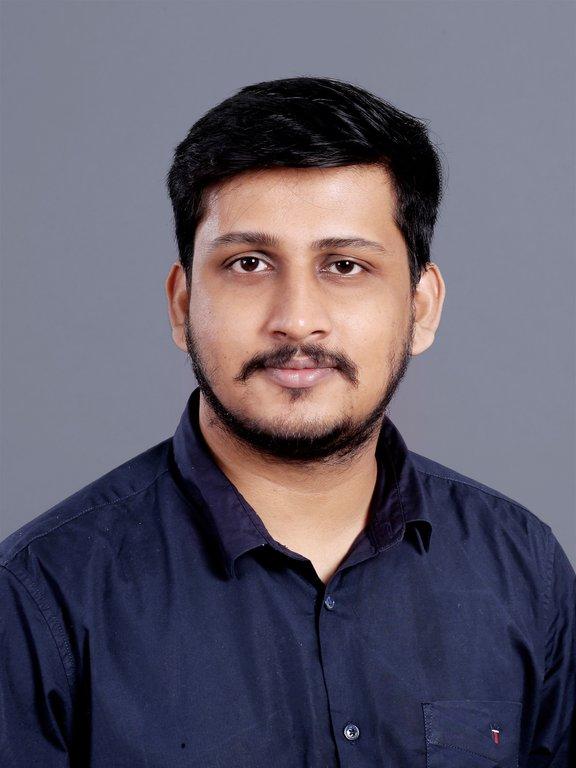
Bodhish Thomas
https://bodhish.in/